

5 Mistakes Everyone Makes When Cooking with Truffle
Truffle is one of the most forgiving luxury ingredients in the kitchen, right up until the moment you do something it cannot stand. The good news is that the things that go wrong are almost always the same five things, and every one of them is easy to fix. Get these right and you will pull more flavour, more aroma and more value out of every bottle and jar you own. Here are the five mistakes nearly everyone makes, and exactly how to stop.
Mistake 1: You cook it
This is the big one, the mistake that quietly ruins more truffle than all the others combined. The compounds that give truffle its hypnotic aroma are volatile, which is a polite way of saying they evaporate the instant things get hot. Toss truffle into a sizzling pan and you have paid good money to perfume your extractor fan, while the food in front of you tastes of almost nothing.
The fix: add truffle at the very end, off the heat. Dress your pasta, melt your cheese, scramble your eggs, then pull everything off the hob and finish with the truffle. The residual warmth is plenty to lift the aroma without burning it off. This single change will do more for your cooking than anything else on this list.
Mistake 2: You bury it
Truffle has a delicate, complicated perfume, and it does not enjoy a shouting match. Pile it into a dish already loud with raw garlic, chilli, onion or sun-dried tomato and it simply vanishes under the noise, leaving you wondering what all the fuss was supposed to be about.
The fix: give it a calm stage. Truffle sings against mild, simple, fatty backdrops: butter, eggs, parmesan, mascarpone, good bread, plain pasta. Keep the supporting cast short. Four quiet ingredients will always beat twelve loud ones, and your truffle will finally get a word in.
Mistake 3: You forget the fat (and the salt)
Truffle aroma is fat-soluble, which means fat is not optional, it is the delivery system. Skip it and the flavour has nothing to cling to, so it reads thin and disappears in seconds. Seasoning matters just as much: a pinch of salt sharpens truffle and makes it bloom, while an under-salted dish leaves even the best truffle tasting flat and muffled.
The fix: be generous with a fatty carrier and do not forget to season. Butter, cream, olive oil, cheese or mayo will all carry truffle beautifully. A truffle scrambled egg made with butter is glorious; the same egg made with skimmed milk is a wet whisper.
Mistake 4: You treat truffle oil like cooking oil
Truffle oil is a finishing oil, not a frying oil. Heat it in a pan and you destroy the very aroma you bought it for, leaving behind a faintly greasy, slightly bitter slick and none of the magic. It is one of the most common and most wasteful truffle mistakes there is.
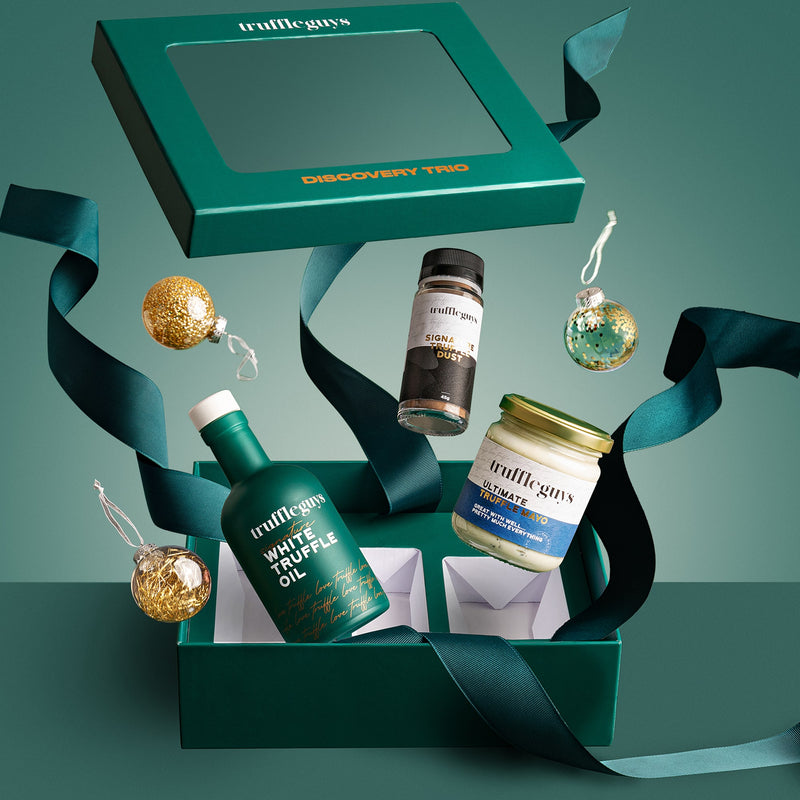
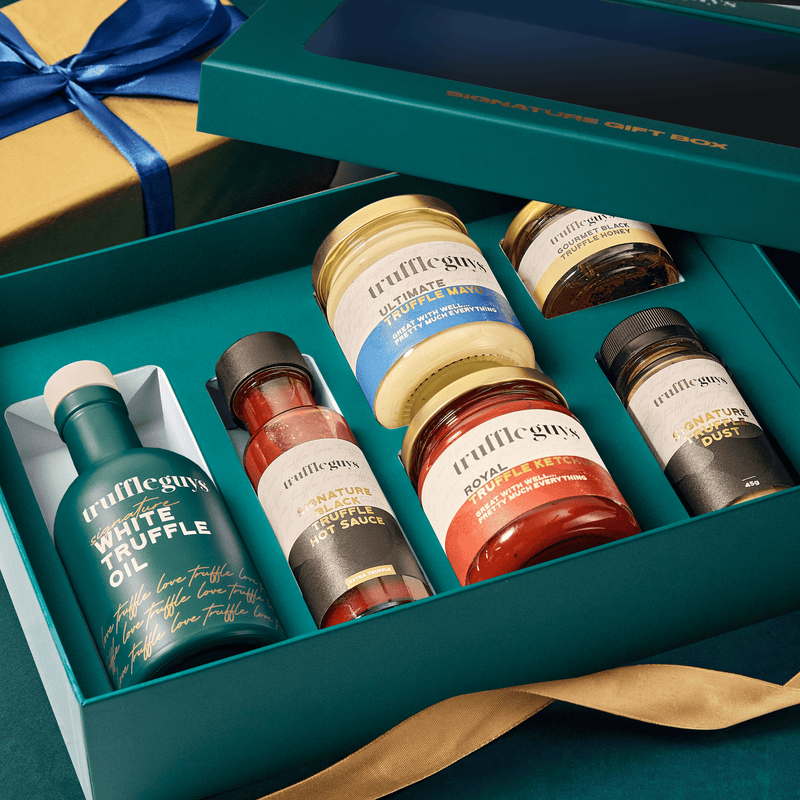
The fix: treat White Truffle Oil the way you would a fine olive oil or a squeeze of lemon. Drizzle it raw, at the table, over a finished plate of pasta, risotto, eggs, pizza or chips. A teaspoon is plenty. Keep your regular oil for the actual cooking, and let the truffle oil do nothing but smell incredible.
Mistake 5: You save it for best
This is the saddest mistake, and the easiest to fix. Truffle products end up shoved to the back of the cupboard, reserved for some special occasion that never quite arrives, slowly losing their sparkle while you eat unremarkable food. Truffle was never meant to live behind glass.
The fix: use it on a Tuesday. A pinch of Signature Truffle Dust over tonight’s chips or popcorn, a spoon of Ultimate Truffle Mayo in tomorrow’s sandwich, a jar of Ultimate Truffle Pasta Sauce for a weeknight dinner that tastes like a soft brag. The whole point of everyday luxury is the everyday part.
None of these fixes are difficult. They come down to the same simple idea: truffle is an aroma first and a flavour second, so protect the aroma, give it room, and actually use it. Do that, and the most expensive-tasting ingredient in your kitchen will quietly start earning its place every day of the week.